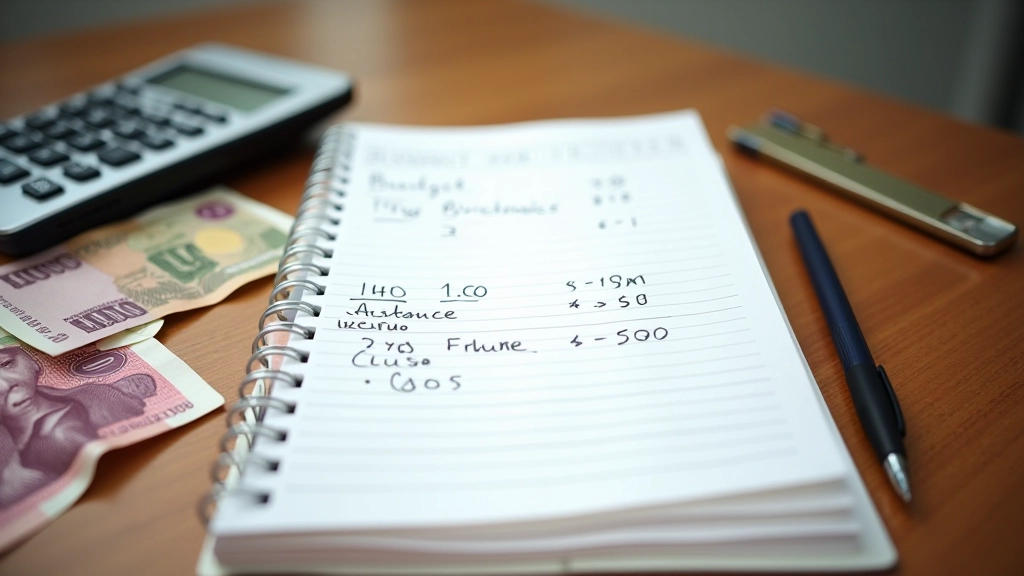
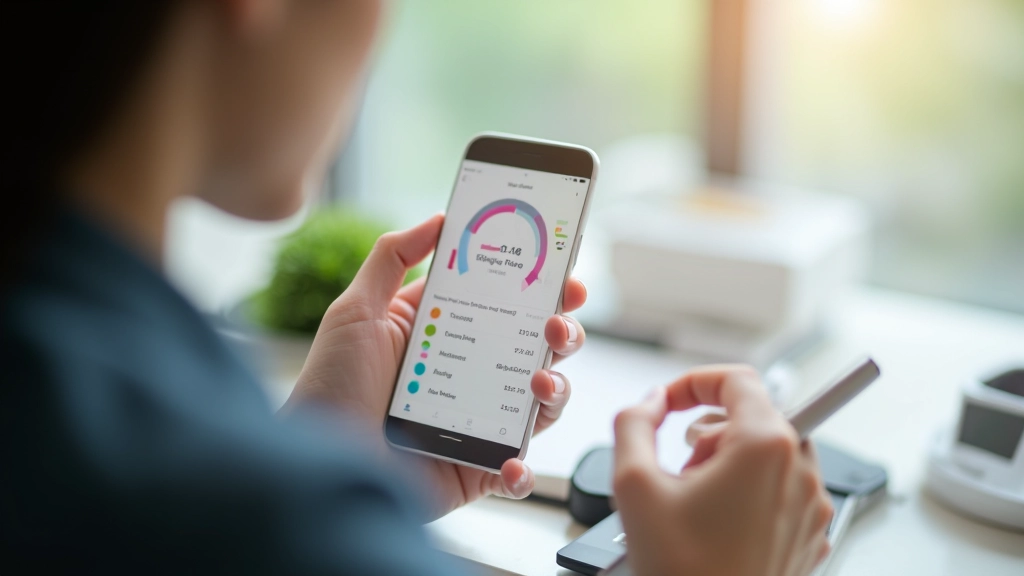
Tracking your spending isn’t complicated, but it does require the right tools. Whether you’re managing HKD expenses across multiple apps or trying to understand where your money goes each month, having a system in place makes everything clearer. We’ve tested the main expense tracking tools available and broken down what actually works for Hong Kong households.
The thing is, most people start tracking their expenses with good intentions but stop after a few weeks because the process feels tedious. The best tools aren’t necessarily the fanciest — they’re the ones you’ll actually use consistently. That’s why we’re focusing on apps and methods that fit naturally into your daily routine.
Why Tracking Actually Matters
You can’t improve what you don’t measure. That’s the fundamental principle behind expense tracking. Most Hong Kong households spend money without really knowing where it goes — utilities, groceries, dining out, subscriptions that you forgot about.
When you start tracking, patterns emerge within 2-3 weeks. You’ll notice you’re spending more on delivery food than you realized, or that your monthly subscriptions add up to HKD 800+ that you weren’t conscious of. These aren’t judgment calls — they’re just facts that help you make better decisions.
The goal isn’t to cut everything ruthlessly. It’s to understand your actual spending so you can align it with your priorities. Maybe you love dining out and that’s worth the money to you. But if you didn’t realize you were spending that much, you’re not really choosing — it’s just happening.

The Main Tools Compared
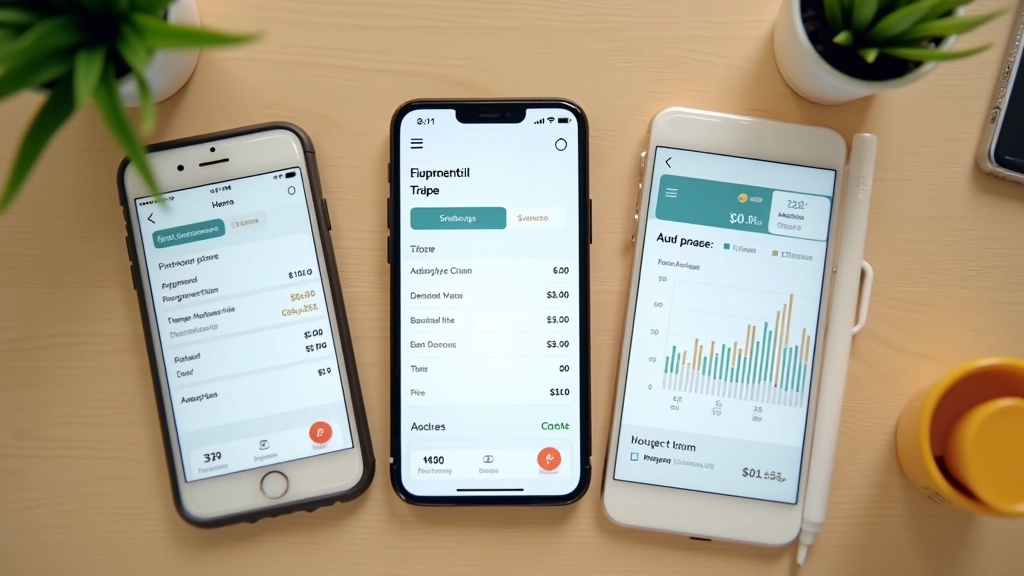
We tested seven popular apps that work well for Hong Kong users. The standouts are MoneyMoney, Wally, and YNAB (You Need A Budget) — but each has different strengths depending on your situation.
MoneyMoney
Best for: HKD tracking with multi-currency support. Connects directly to most Hong Kong banks. You’re not manually entering every transaction — the app syncs automatically. The interface is clean and doesn’t overwhelm you with features you won’t use.
Wally
Best for: People who prefer manual entry. Takes 10 seconds to log a transaction. Wally’s strength is its simplicity — you snap a photo of your receipt and it auto-categorizes. Great if you want to stay conscious of small purchases.
YNAB
Best for: Serious budgeters. It’s not free (USD 14.99/month), but it’s built around the 50-30-20 rule and helps you allocate every dollar intentionally. You’re making conscious spending decisions, not just tracking passively.
Important Note
The information in this article is educational and informational only. We’re not providing financial advice or investment recommendations. Every person’s financial situation is different. Before making major financial decisions, consider consulting with a qualified financial advisor who understands your specific circumstances and Hong Kong’s regulatory environment.
Methods That Actually Work
The best tool is the one you’ll use consistently. But beyond the app itself, you need a method that fits your lifestyle.
The envelope method (digital or physical) works well for Hong Kong households. You allocate specific amounts to different categories — groceries HKD 2,000, dining HKD 1,500, entertainment HKD 800 — and that’s your limit for the month. Once the envelope is empty, you stop spending in that category. It’s simple and it forces conscious decisions.
Another solid approach is the 50-30-20 rule: 50% of income to needs, 30% to wants, 20% to savings. For someone earning HKD 40,000 monthly, that’s HKD 20,000 for essentials, HKD 12,000 for discretionary, and HKD 8,000 for savings. Most people find this framework immediately practical.

Getting Started This Week
You don’t need to wait for January 1st or the start of a new month. Pick today to begin. Choose one app or method from what we’ve covered. Don’t overthink it — pick the simplest one.
Track for just one week without changing anything. Don’t cut back. Don’t restrict. Just record what you spend. By the end of the week, you’ll have real data about your actual habits. That’s your starting point.
After the week, look at the numbers. You might be surprised. Most people are. Then decide what, if anything, you want to change. That’s the power of tracking — you’re making decisions based on facts, not assumptions.
The Bottom Line
Expense tracking isn’t about being cheap or obsessive. It’s about clarity. When you understand where your money goes, you’re not living reactively — you’re living intentionally. The right tool makes this process effortless enough that you’ll actually stick with it.
Start simple. Track for a week. Look at the data. Then decide your next move. That’s the formula that works for most people.