Smart Spending Habits That Reduce Waste
Common spending mistakes and how to avoid them. Real tips for cutting unnecessary expenses without feeling deprived or changing your lifestyle drastically.

Why Smart Spending Actually Matters
Here’s the thing — most people think budgeting means deprivation. You cut everything out, live miserably, and eventually quit. That’s not what we’re talking about. Smart spending is about making conscious choices so your money actually goes where it matters. It’s noticing the small leaks that drain your account without giving you anything real in return.
In Hong Kong, where living costs are genuinely high, these habits become even more important. You’re not trying to become a monk. You’re just trying to stop wasting money on things that don’t improve your life. Once you identify those patterns, you can redirect that cash toward what actually makes a difference — savings, investments, or experiences you really value.

Before You Start: This Isn’t About Sacrifice
You don’t have to quit coffee or stop dining out. The goal isn’t perfection. It’s about eliminating the spending that doesn’t bring you joy or value. Most people find they’re actually spending money on things they don’t even notice or remember. Those are the targets. Cut those, and you won’t feel deprived at all.
The Three Biggest Spending Leaks
Most of your unnecessary spending comes from just three categories. You’ll recognize them immediately.
Subscriptions You’ve Forgotten About
That streaming service you signed up for in March? The meditation app you tried once? The “free trial” that converted to paid? These add up fast. Most people don’t realize they’re paying for 4-6 subscriptions they don’t actually use. That’s easily HKD 200-400 a month just evaporating.
Convenience Purchases at Peak Tiredness
You’re exhausted after work. Grabbing a taxi instead of the MTR, ordering food instead of cooking, buying a snack you didn’t plan on. None of these feel like real expenses in the moment. But over a month? You’re probably spending HKD 150-300 on convenience alone.
Impulse Purchases in Digital Stores
Online shopping is designed to make spending feel painless. One click, it arrives in two days. No friction. No time to reconsider. This is where people blow money on clothes they don’t need, gadgets they won’t use, and items they forget they even bought.


How to Actually Fix These Leaks
Do a Subscription Audit This Week
Open your credit card statement and search for recurring charges. Write down every subscription you see. Then be honest: are you actually using it? If you haven’t logged in for three months, you’re not. Cancel it immediately. Don’t negotiate with yourself about “maybe I’ll use it later.” You won’t.
Create a 48-Hour Rule for Online Purchases
If you see something you want online, don’t buy it immediately. Add it to your cart and leave it for 48 hours. Usually you’ll forget about it or realize you don’t actually want it. The few things you still want after two days? Those are probably worth buying. The rest? Impulse noise.
Plan Your Tired Hours in Advance
You know when you’re most vulnerable to convenience spending — usually late afternoon or after work. Instead of deciding in that moment, decide now. Meal prep Sunday. Plan which days you’ll take a taxi versus the train. Knowing your pattern removes the decision-making burden when you’re tired.
The One Tool That Actually Works
You don’t need fancy software. You need visibility. Most people don’t cut spending because they don’t see the problem clearly enough. Once you see it, the fix becomes obvious.
Keep All Receipts for 30 Days
Don’t organize them yet. Just collect them. After 30 days, sort them by category. You’ll see patterns immediately. Most people are shocked at how much they spend on categories they thought were small.
Use a Simple Spreadsheet
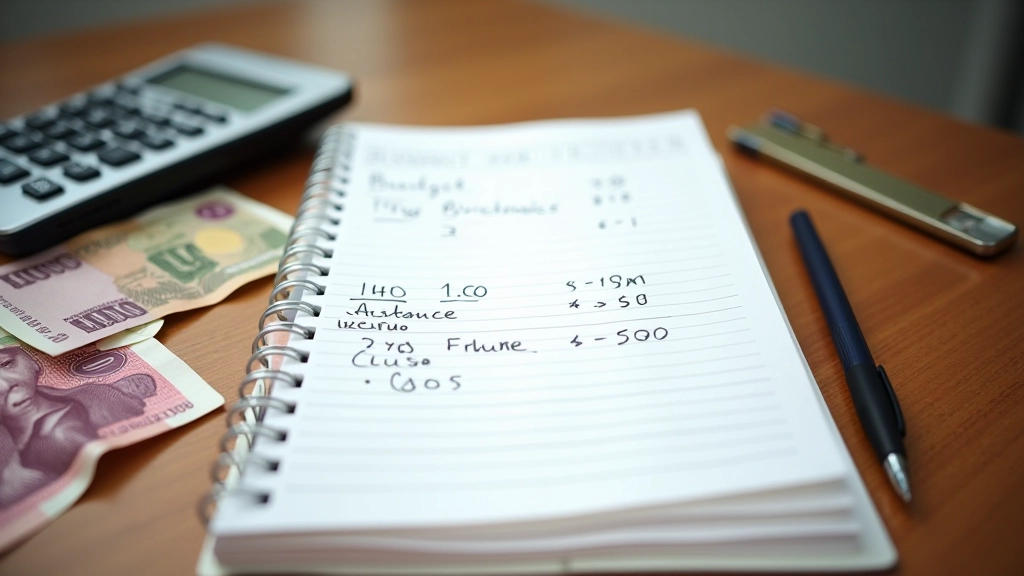
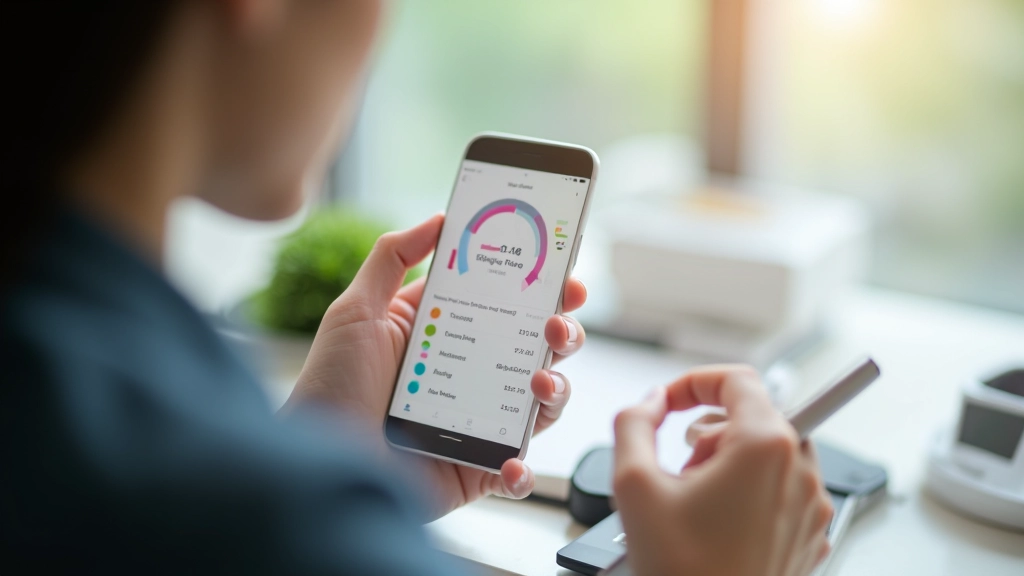
Seriously. Excel or Google Sheets. Three columns: Date, Category, Amount. That’s it. Update it weekly. You don’t need an app that tracks every breath you take. Simple is more sustainable.
Review Monthly, Not Daily
Looking at spending every single day creates anxiety. Monthly reviews show you patterns without the psychological burden. You’ll actually stick with it.
Important Note
The strategies in this guide are educational information based on common budgeting practices. Your personal financial situation is unique, and circumstances vary significantly between households. These habits are general suggestions, not personalized financial advice. For specific investment advice or complex financial planning tailored to your situation, consult with a qualified financial advisor who understands your complete financial picture and goals.
The Real Win
Smart spending isn’t about being cheap. It’s about being intentional. Once you eliminate the waste — the subscriptions you forgot about, the convenience purchases you don’t remember, the impulse buys you regret — you’ll probably find an extra HKD 400-800 per month. That’s real money. That’s your emergency fund growing. That’s a trip you actually want to take. That’s power over your own finances instead of letting autopilot drain your account.
Start this week. Pick one category from the big three. Fix it. Then move to the next. You don’t have to overhaul your entire life. Just stop the obvious leaks. The rest becomes easy.

Continue Reading