
Why Your Savings Plan Keeps Failing
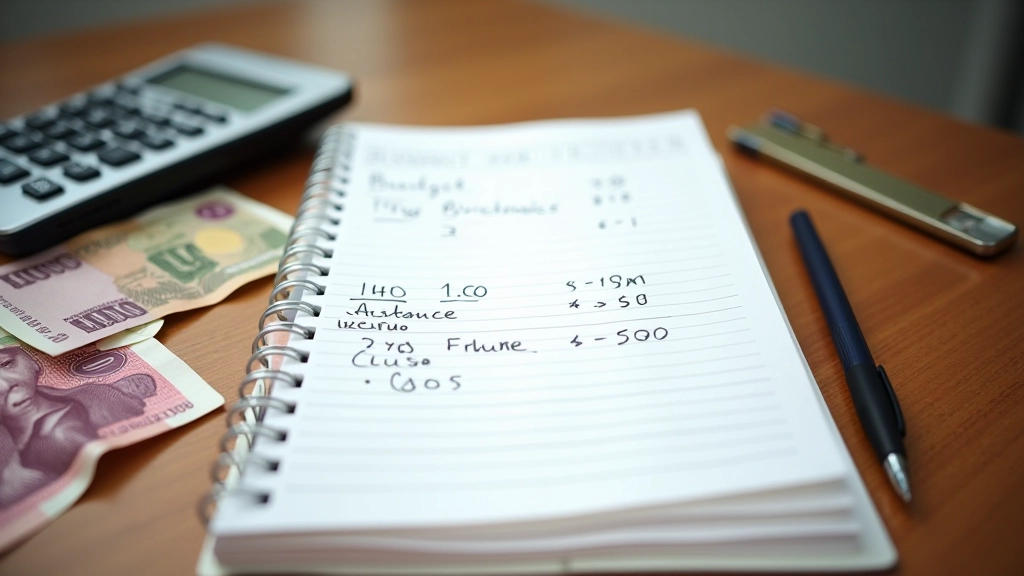
Most people don’t fail at saving because they lack discipline. They fail because their plan doesn’t fit their actual life. You’re earning in HKD, paying rent in a expensive market, and trying to follow budgeting advice written for people in London or New York. It doesn’t work.
Here’s the reality: Hong Kong households face unique pressures. Rent takes 30-40% of income for many people. Utilities, groceries, and transportation cost more than in many other places. Yet the standard savings targets — “save 20% of your income” — don’t account for these realities. You need a plan built for where you actually live, not some generic template.
The good news? It’s totally possible to build real savings here. We’re talking about concrete numbers, practical rules, and methods that don’t require you to eat ramen for a year. Let’s look at what actually works.

The 50-30-20 Rule (Hong Kong Edition)

You’ve probably heard about the 50-30-20 rule: 50% for needs, 30% for wants, 20% for savings. It’s solid in theory. But in Hong Kong, it doesn’t always work straight up.
Here’s how to adapt it. Your “needs” category probably runs closer to 55-60% when you factor in Hong Kong rent levels. So adjust: 55% needs, 25% wants, 20% savings. If you’re earning HK$25,000 monthly, that means HK$13,750 for essential expenses, HK$6,250 for discretionary spending, and HK$5,000 going straight to savings.
The key isn’t hitting these percentages perfectly. It’s that you’ve got a clear structure. You know where money goes before it’s spent. That’s what makes the difference.
Important Notice
This article provides educational information about savings planning strategies. It’s not personalized financial advice for your specific situation. Everyone’s circumstances differ — income levels, family obligations, housing costs, and financial goals vary significantly. Before making major changes to your savings approach, consider discussing your plan with a qualified financial advisor who understands your complete financial picture. The examples and percentages shown here are illustrative and may need adjustment based on your actual expenses and income.
Emergency Fund Targets for Different Situations
An emergency fund isn’t optional. It’s the thing that stops you from going into debt when your washing machine breaks or you need unexpected medical costs. But how much should you actually have saved?
The standard advice is 3-6 months of expenses. That’s reasonable, but it depends on your situation. If you’re single with stable employment and no dependents, 3 months is solid. That’s about HK$30,000-40,000 for someone with HK$10,000-13,000 in monthly expenses.
If you’ve got family depending on you, or your income varies, aim for 6 months. That’s roughly HK$60,000-80,000 in most cases. Yes, that sounds like a lot. But you build it gradually — HK$1,000-2,000 monthly takes you there in 3-4 years. The point is consistency, not speed.
Keep your emergency fund in an account you can access quickly but that’s separate from your spending account. A high-yield savings account works. The money should be boring and available, not invested in stocks.
Three Practical Methods That Actually Stick
Automatic Transfer Method
Set up an automatic transfer on payday. HK$5,000 goes straight from your main account to a separate savings account before you even see it. You can’t spend what you don’t see. Most banks let you schedule this in seconds. Do it today.
The Envelope System (Digital)
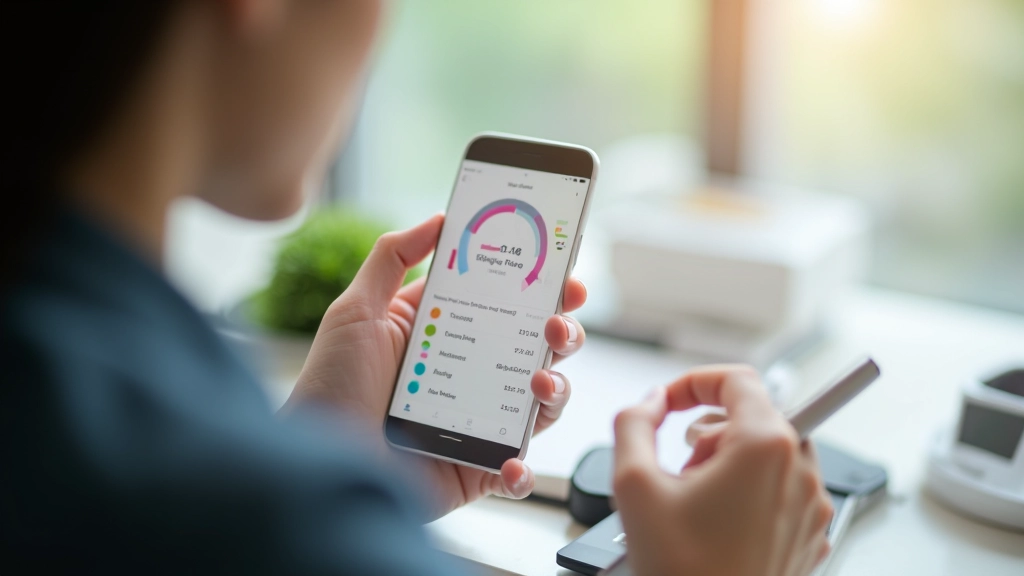
Open separate accounts for different purposes — groceries, transport, entertainment, savings. Move your allocated amount to each on payday. When the entertainment budget’s empty, you’re done spending that month. It’s psychology. Separate accounts feel more real than tracking in a spreadsheet.
The Reverse Budget
Instead of tracking spending and hoping to save what’s left, decide your savings target first. Subtract it from income. What remains is your spending budget. If you earn HK$25,000 and decide to save HK$5,000, you’ve got HK$20,000 to live on. That’s your hard limit.

Making It Work for Your Life
A savings plan only works if you actually follow it. That means it’s got to fit your real income, your real expenses, and your actual habits. The 50-30-20 rule adapted for Hong Kong costs, an emergency fund you can actually build, and a method you’ll stick with — that’s the combination that works.
Start small if you need to. HK$1,000 monthly is better than HK$5,000 for two months then nothing. Consistency beats heroic efforts. You’re not trying to become rich. You’re building the foundation so unexpected expenses don’t wreck your month, and so you’ve got actual choices about your future.
Pick one method from above. Set it up this week. That’s all it takes to get started.