Creating a Realistic Monthly Budget for Hong Kong Households
Step-by-step guide to building a budget that actually works with Hong Kong living costs. Covers housing, transport, food, and discretionary spending.
Why Most Hong Kong Budgets Fail
You’ve probably tried budgeting before. Maybe you created a spreadsheet, tracked expenses for two weeks, then gave up. It’s not because you lack discipline — it’s because most budget templates don’t account for Hong Kong’s unique cost structure. Rent takes up 40-50% of income. Transport costs aren’t trivial. Groceries hit different. And let’s be honest, eating out is just part of life here.
The good news? Once you understand your actual spending patterns in Hong Kong, building a budget that works becomes straightforward. We’re not talking about cutting everything out or living like a hermit. We’re talking about knowing where your money goes, making conscious choices, and actually having money left at the end of the month.

The Hong Kong Budget Framework
Instead of the standard 50-30-20 rule (which doesn’t work for HKD salaries), we’ll use a Hong Kong-specific breakdown. Your budget should account for fixed costs first — housing and transport eat up most of your income. Then you’ve got discretionary spending and savings. But here’s the thing: if you’re spending 55% on rent and transport combined, you’ll have to be flexible with the remaining 45%.
Rent, mortgage, property tax
MTR, taxi, parking
Groceries, restaurants, cafes
Electricity, water, internet, apps
Clothes, entertainment, hobbies
Emergency fund, investments

Building Your Actual Budget in 5 Steps
Calculate Your Take-Home Income
Don’t use your gross salary. Write down what actually hits your bank account each month after tax, MPF contributions, and insurance. If you’ve got variable income, use your average from the last 3 months. This number is your baseline.
List Your Fixed Costs
Rent, mortgage, insurance, utilities — these don’t change month to month. Add them up. If you’re paying HK$18,000 for housing on a HK$35,000 salary, that’s 51%. That’s normal for Hong Kong, and you’ll need to adjust expectations elsewhere. Don’t fight it.
Track Three Months of Actual Spending
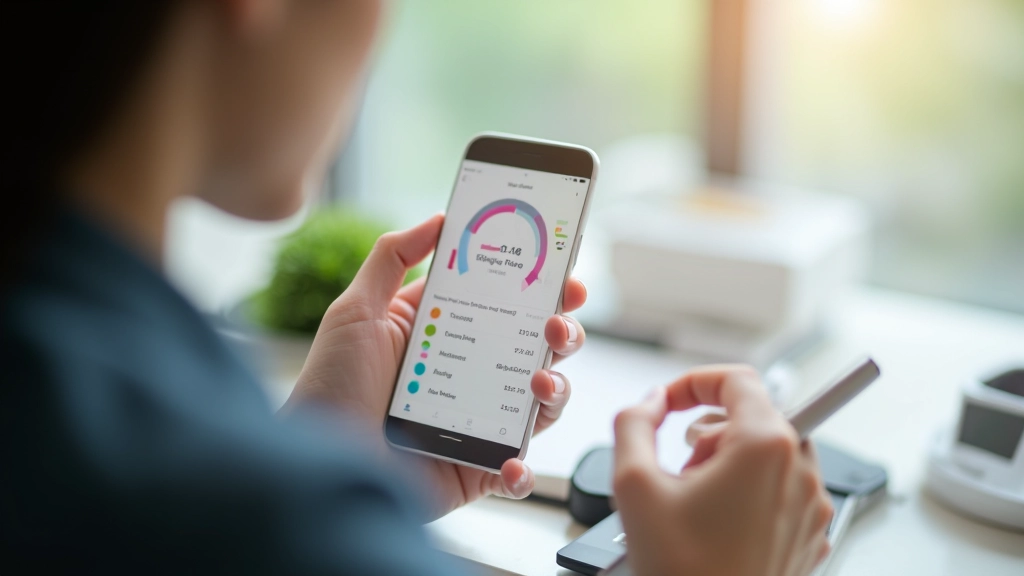
Before you budget, you need data. Use a notes app, a spreadsheet, or an app like Expense Manager. Record everything — coffee, MTR fares, groceries, nights out. After 3 months you’ll see real patterns. Food spending might be HK$6,500. Transport HK$2,000. Subscriptions HK$800. These numbers don’t lie.
Identify Non-Negotiable vs. Flexible Spending
You can’t really cut rent. Transport is mostly fixed. But food spending? That’s flexible. So are subscriptions, entertainment, and shopping. Look at your data and separate the two categories. This shows you where you actually have control.
Set Realistic Targets and Review Monthly
Don’t aim to cut 40% of spending. Set targets 10-15% below your actual average. If you’ve been spending HK$6,000 on food, target HK$5,300. That’s achievable. Then review every month. Did you hit the target? If not, adjust the target — your budget should fit your life, not the other way around.

Important Note
This guide provides general educational information about budgeting practices for Hong Kong households. It’s not financial advice tailored to your specific situation. Your actual budget will depend on your income level, family size, lifestyle, and financial goals. Everyone’s situation is different. If you need personalized financial planning, consider consulting with a qualified financial advisor.
Common Mistakes to Avoid
You’re going to slip up. Everyone does. Here’s what to watch out for:
Setting targets too aggressive
If you’ve been spending HK$7,000 monthly on food and dining, don’t suddenly aim for HK$3,000. You’ll quit within a month. Small changes stick. Bigger changes create resentment.
Not accounting for irregular expenses
Car maintenance. Medical bills. Birthday gifts. Annual insurance. These don’t happen every month, but they happen. If you ignore them, your budget breaks. Set aside HK$500-1,000 monthly for irregular costs.
Forgetting about “invisible” subscriptions
Netflix, Spotify, gym membership, cloud storage, apps. They’re small individually but add up to HK$500+ monthly. Audit your subscriptions quarterly. Cancel what you’re not actually using.
Zero savings buffer
If your budget accounts for every single dollar, you’re one unexpected expense away from debt. Even HK$300-500 monthly in an emergency fund prevents crisis spending.
Tools That Help (But Aren’t Required)
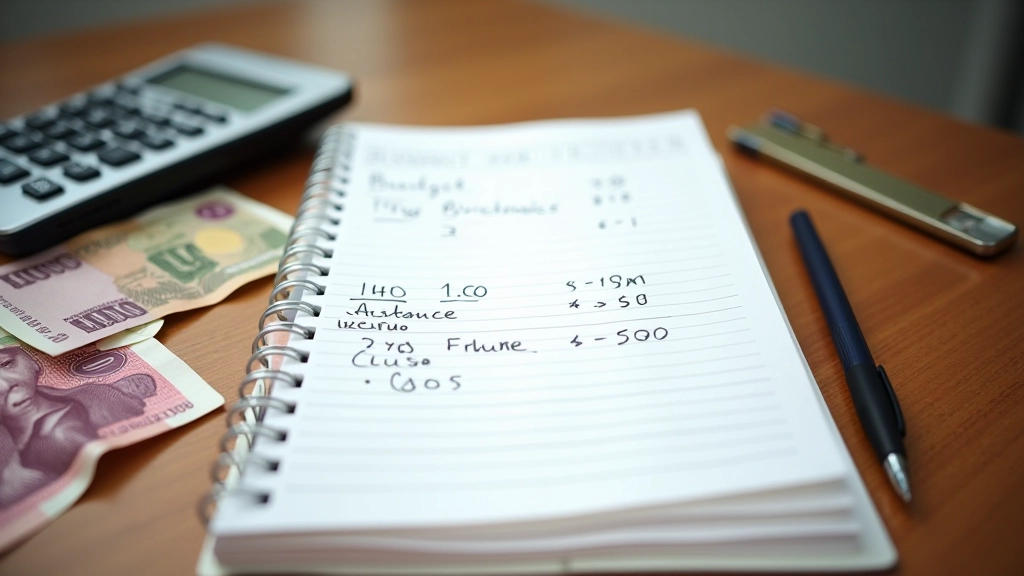
You don’t need fancy apps. Pen and paper works. But these tools can make tracking easier:
Google Sheets / Excel
Free, simple, and works offline. Create a basic spreadsheet with categories and monthly totals. Add formulas to calculate percentages. It’s low-tech but incredibly effective.
Expense Tracker Apps
Apps like Expense Manager or YNAB (You Need A Budget) sync with your bank. They categorize spending automatically. Less manual entry, more accurate data. Most have free versions.
Bank App Insights
HSBC, DBS, and other Hong Kong banks now show spending breakdown in their apps. Check your bank’s features. You might already have analysis tools built in.
Your Budget is a Living Document
The budget you build today won’t be perfect. It’ll need tweaking. That’s fine. Life changes. You might get a raise, change jobs, or move to a cheaper apartment. When that happens, update your budget. The point isn’t to create a rigid system that controls your life — it’s to understand your money and make intentional choices.
Once you’ve tracked spending for three months and set realistic targets, you’ll stop living paycheck to paycheck. You’ll know if you can afford that holiday. You’ll understand why you’re not building savings (probably rent). And you’ll make changes that actually stick because they’re based on your real spending, not some internet formula.
Start this week. Grab a notebook or open a spreadsheet. Write down your take-home income. List your fixed costs. Then spend the next 3 months tracking what you actually spend. After that, you’ll have the data to build a budget that works for your Hong Kong life.